How to Plan Meals Using Pantry Staples for Easy, Tasty Cooking
Planning meals from pantry staples is a practical and budget-friendly way to enjoy homemade dishes without constant grocery runs. Your pantry is a treasure trove of ingredients that can be transformed into tasty, well-balanced meals with a bit of creativity and organization. Whether you’re looking to save time, reduce food waste, or make cooking simpler, learning how to plan meals around pantry staples is an excellent skill to have. In this post, we’ll guide you through easy strategies for making the most out of what you already have.
Understanding Pantry Staples
Pantry staples are non-perishable or long-lasting ingredients commonly found in most kitchens. These items form the base for countless recipes and can include dry goods, canned foods, and spices. Some of the most popular pantry staples are:
– Rice, pasta, and grains (quinoa, couscous)
– Canned beans and lentils
– Canned tomatoes and tomato sauce
– Broth or bouillon cubes
– Cooking oils (olive oil, vegetable oil)
– Flour and sugar
– Various dried herbs and spices
– Nut butters and canned tuna or salmon
Knowing what you have on hand is the first step to effective meal planning.
Step 1: Take Inventory of Your Pantry
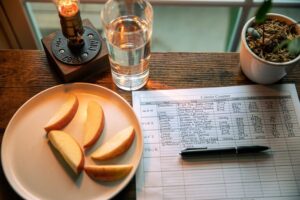
Before you start planning your meals, take a few minutes to go through your pantry. Write down everything you find, especially the staples listed above, and check expiration dates. This inventory will help you avoid buying duplicates and inspire meal ideas based on what’s available.
Make a list or use a pantry app to organize your ingredients by category (grains, canned goods, spices, etc.). This makes it easy to visualize your options and plan meals accordingly.
Step 2: Identify Complementary Ingredients
Once you know what’s in your pantry, think about how those ingredients can work together. For example:
– Rice + canned beans + canned tomatoes = a simple, nutritious bowl
– Pasta + canned tuna + olive oil + garlic powder = quick pasta dish
– Lentils + broth + spices = hearty soup
Combining staples with fresh or frozen produce (if available) can elevate your meals.
Step 3: Choose Simple Recipes That Use Pantry Ingredients
Look for easy recipes that emphasize pantry items. Here are a few ideas:
One-Pot Meals
One-pot recipes minimize cleanup and often rely heavily on pantry staples:
– Chili with canned beans and tomatoes: Add spices like chili powder and cumin.
– Lentil stew: Use dried or canned lentils, broth, and any vegetables on hand.
– Rice pilaf: Combine rice with canned vegetables, broth, and herbs.
Pasta Dishes
Pasta is a versatile base that pairs well with many pantry staples:
– Pasta aglio e olio: Olive oil, garlic, chili flakes, and parsley.
– Tomato pasta sauce: Canned tomatoes, garlic, onions, and herbs.
– Tuna pasta salad: Canned tuna, pasta, olive oil, and lemon juice.
Soups and Stews
Soups are great for using canned goods and spices:
– Minestrone: Canned beans, pasta, tomatoes, and broth.
– Potato and leek: Using dehydrated or fresh leeks with canned potatoes.
– Chicken noodle soup: Using broth, pasta, canned vegetables.
Step 4: Plan Weekly Meals and Make a Shopping List
Using your pantry inventory and recipe ideas, create a simple weekly meal plan. Decide which meals you can prepare entirely from pantry staples and where you might want to add fresh ingredients like vegetables, fruits, or proteins.
Make a shopping list focusing on these fresh items or any pantry staples that need replenishing. This approach keeps grocery trips focused and efficient.
Tips for Maximizing Pantry Staple Meals
– Use spices creatively: A variety of spices can transform basic ingredients into flavorful meals. Experiment with cumin, paprika, oregano, or curry powder.
– Mix textures: Combine crunchy items like nuts or seeds with soft staples such as beans or rice for a satisfying meal.
– Batch cook: Prepare larger portions and freeze leftovers for quick weekday meals.
– Keep a flexible attitude: Don’t be afraid to substitute ingredients based on what you have. Recipes are guidelines, not rules.
– Use pantry cooking as a learning opportunity: Over time, you’ll discover combinations you love and gain confidence in improvising meals.
Organizing Your Pantry for Easy Meal Prep
A well-organized pantry makes meal planning faster and cooking more enjoyable. Here are some ideas:
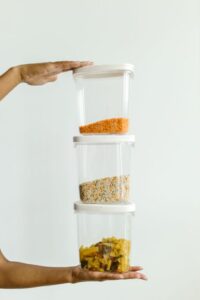
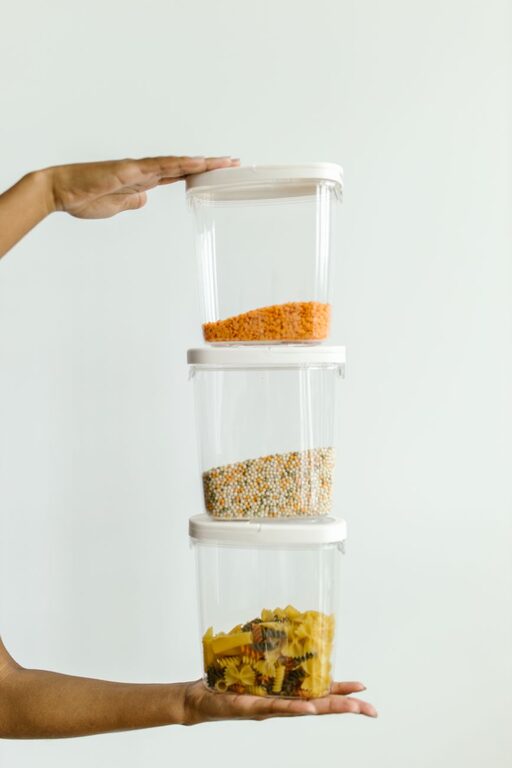
– Store items in clear containers or labeled jars.
– Group similar products together, such as grains in one section, canned goods in another.
– Keep frequently used staples at eye level.
– Use baskets or bins to corral small items like spice packets or seasoning mixes.
– Regularly rotate items, placing newer purchases behind older ones to reduce waste.
Conclusion
Planning meals from pantry staples is a convenient and economical way to enjoy home-cooked food without the stress of last-minute shopping. By knowing what you have, choosing adaptable recipes, and organizing your pantry, you can create tasty meals that make the most of your kitchen’s resources. Start with a simple inventory, experiment with flavors, and enjoy the confidence that comes with cooking from your well-stocked pantry. Happy cooking!